Network Security
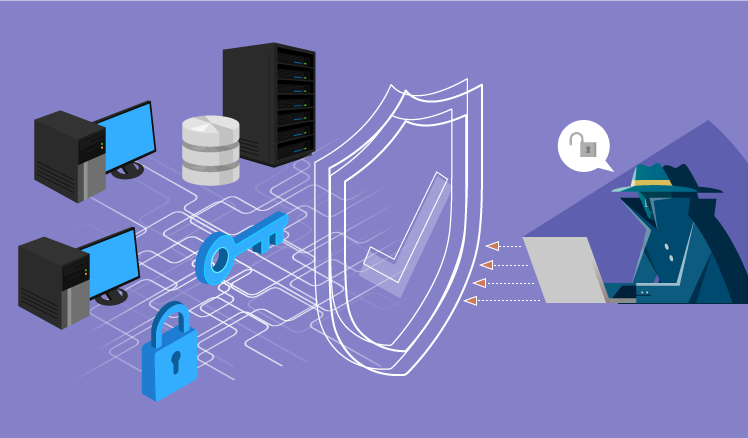
This involves protecting the integrity, confidentiality, and availability of data transmitted over a network. It includes technologies like firewalls, intrusion detection/prevention systems, VPNs (Virtual Private Networks), and secure network protocols.
Endpoint Security
Endpoint devices such as computers, smartphones, and tablets are often targets for cyberattacks. Endpoint security involves securing these devices through measures like antivirus software, endpoint detection and response (EDR) tools, and mobile device management (MDM) solutions.
Cloud Security
As more organizations adopt cloud services, ensuring the security of data and applications hosted in the cloud becomes crucial. Cloud security involves implementing appropriate access controls, encryption, and monitoring mechanisms to protect cloud environments.
Data Security
Data is one of the most valuable assets for organizations, making it a prime target for cybercriminals. Data security involves implementing encryption, access controls, data loss prevention (DLP) solutions, and secure data storage practices to protect sensitive information.
Application Security
Applications often have vulnerabilities that can be exploited by attackers to gain unauthorized access to systems or data. Application security involves secure coding practices, regular security testing (such as penetration testing & code reviews), & patch management to address vulnerabilities.
Identity and Access Management (IAM)
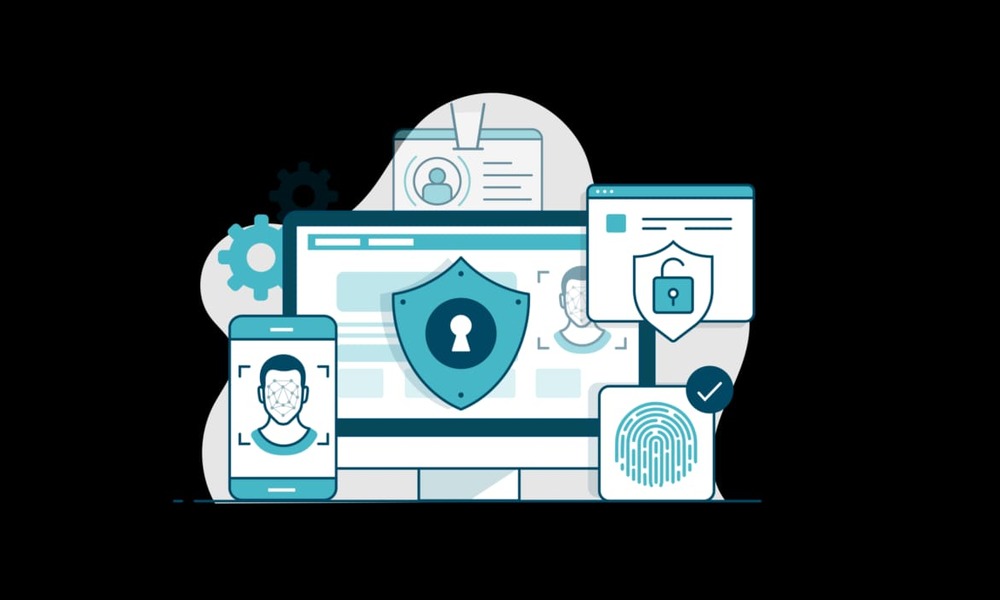
IAM involves managing user identities, their authentication, and their access to resources within an organization's IT infrastructure. It includes technologies like multi-factor authentication (MFA), single sign-on (SSO), and privilege management to ensure that only authorized users have access to systems and data.
Incident Response and Forensics
Despite preventive measures, security incidents may still occur. Incident response involves detecting, responding to, and recovering from security breaches, while digital forensics involves investigating and analyzing security incidents to determine their cause and impact.
Security Compliance and Governance
Compliance with regulatory requirements and industry standards is essential for organizations to mitigate legal and financial risks associated with cybersecurity breaches. Security governance frameworks, such as ISO 27001 & NIST Cybersecurity Framework, provide guidelines for establishing and maintaining effective cybersecurity programs.
Security Awareness and Training
Human error is a significant contributor to cybersecurity incidents. Security awareness and training programs aim to educate employees about security best practices, phishing awareness, and the importance of maintaining good cybersecurity hygiene.
Emerging Technologies
The cybersecurity landscape is constantly evolving, with new technologies such as artificial intelligence (AI), machine learning, and blockchain being increasingly used to enhance security capabilities, as well as presenting new challenges and risks that need to be addressed..




 Email Support
 Call Support